How it's made
How it's made
Three ingredients, seven steps and three months in the sun.
Three ingredients
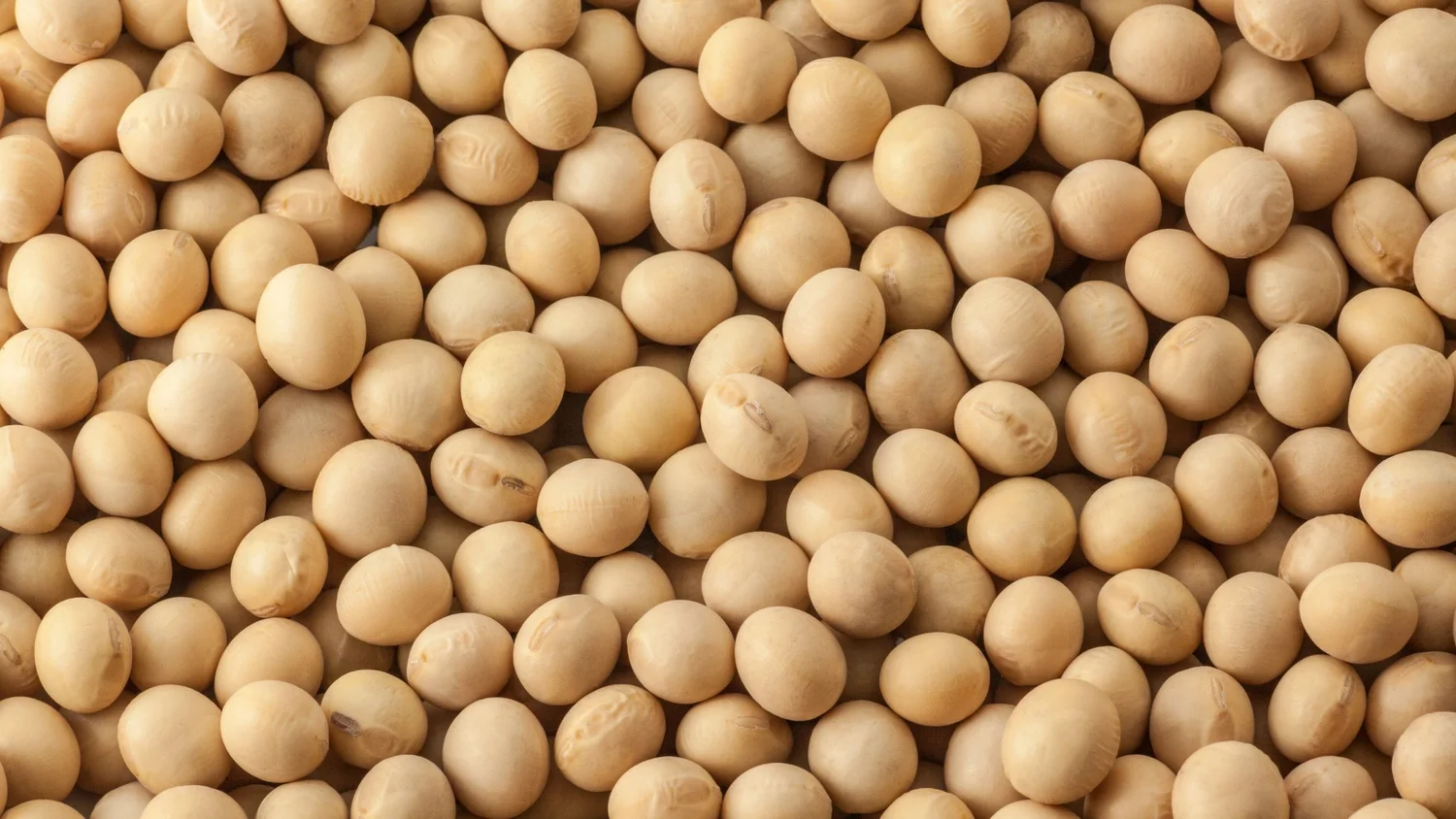
Soybeans
Whole-grain, grade A, non-GMO soybeans from Chiang Mai. Their natural fat content adds depth of aroma during fermentation.
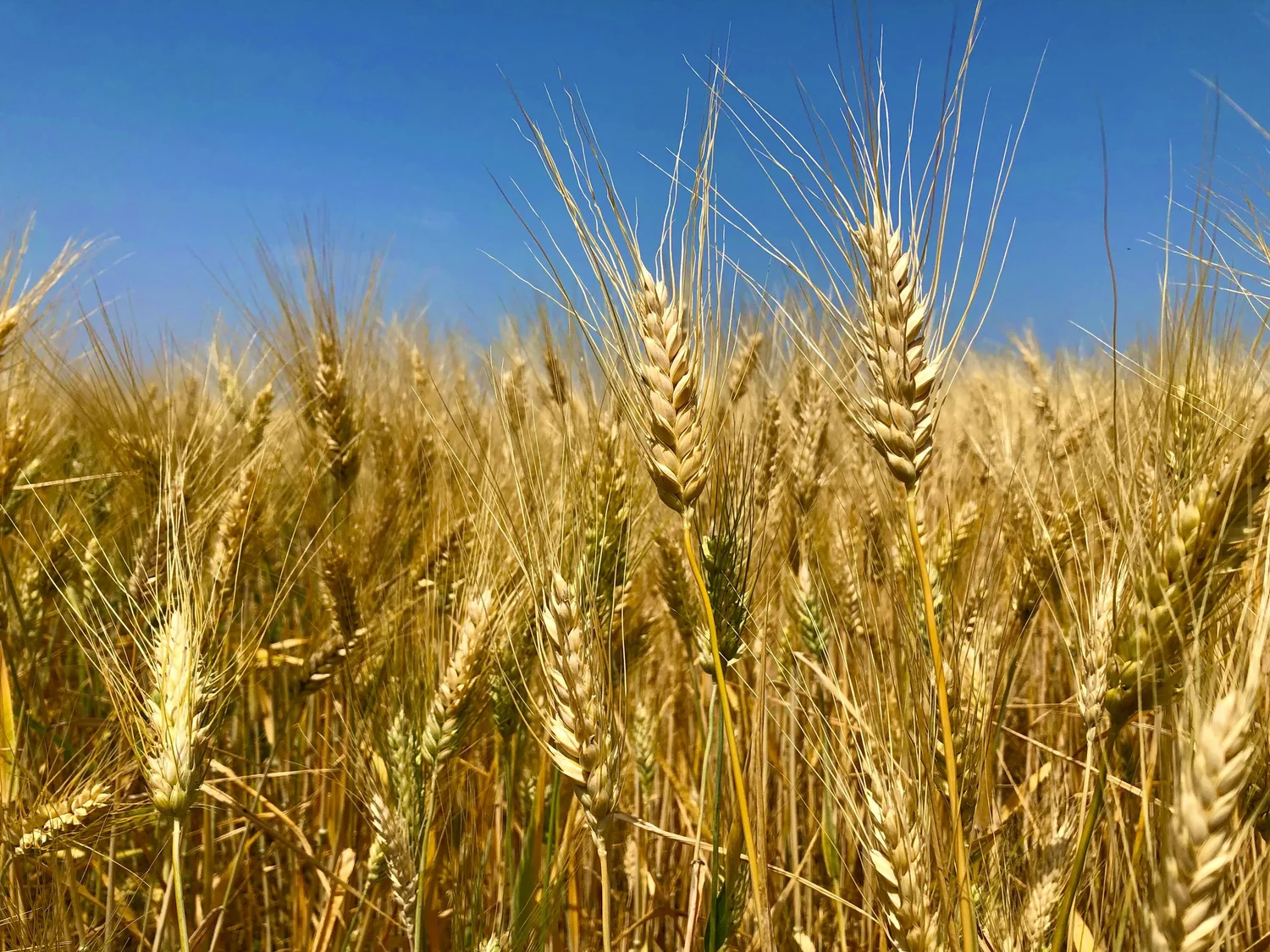
Wheat flour
Whole-grain, grade A, non-GMO wheat flour from Australia, free from pesticides.
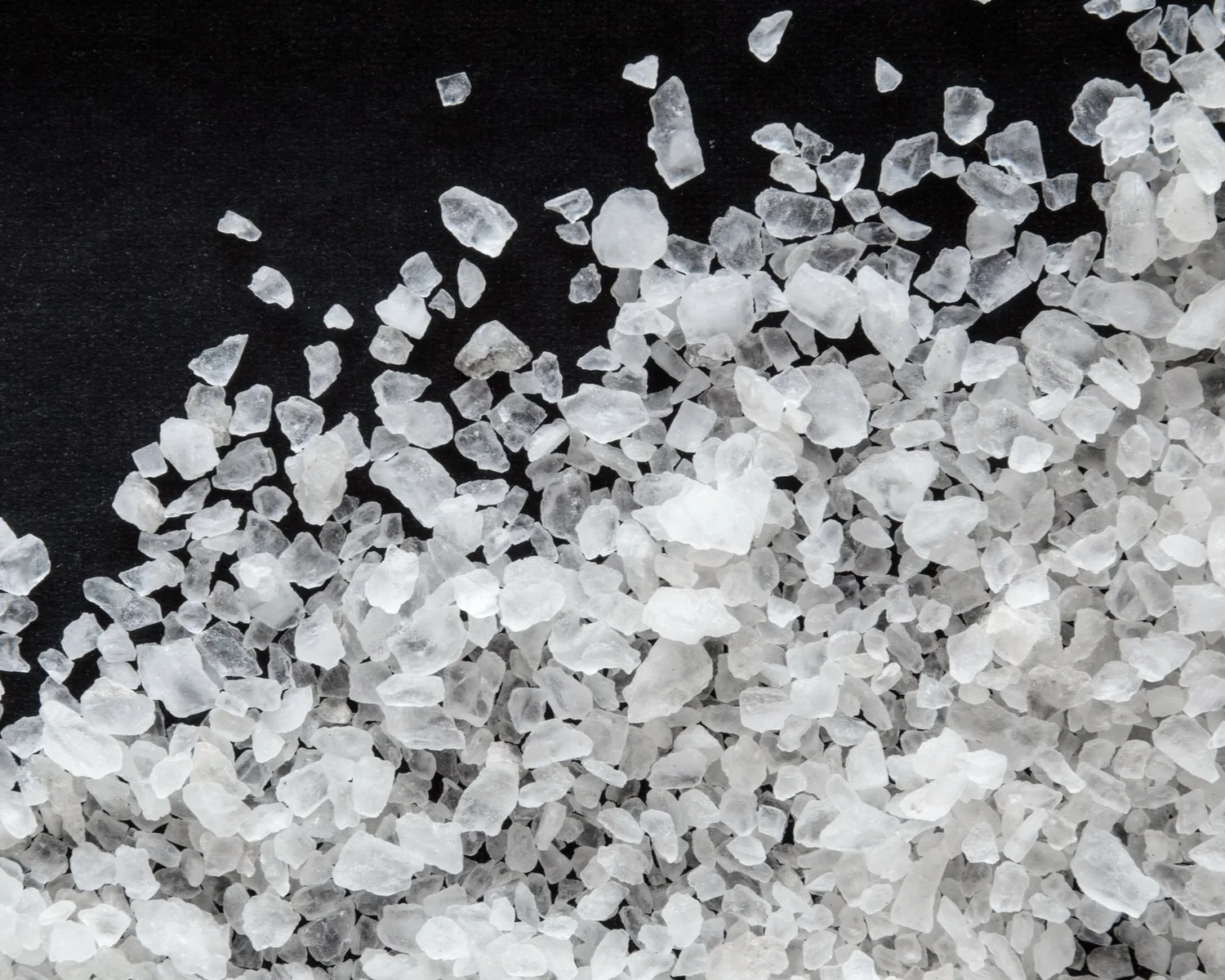
Sea salt
Sun-dried sea salt from Phetchaburi, made the traditional way, with no added iodine or anti-caking agents.
Seven steps
Selecting raw materials
Soybeans, wheat and salt come from audited suppliers and are tested in the laboratory before use.
Koji, 2 days
The soybeans are cooked, mixed with wheat flour and inoculated with koji mould. Over two days the koji develops the enzymes that drive fermentation.
Brining in Ong jars
The koji is placed in earthenware Ong jars from Ratchaburi and covered with Phetchaburi sea-salt brine.
Solar fermentation, 3 months
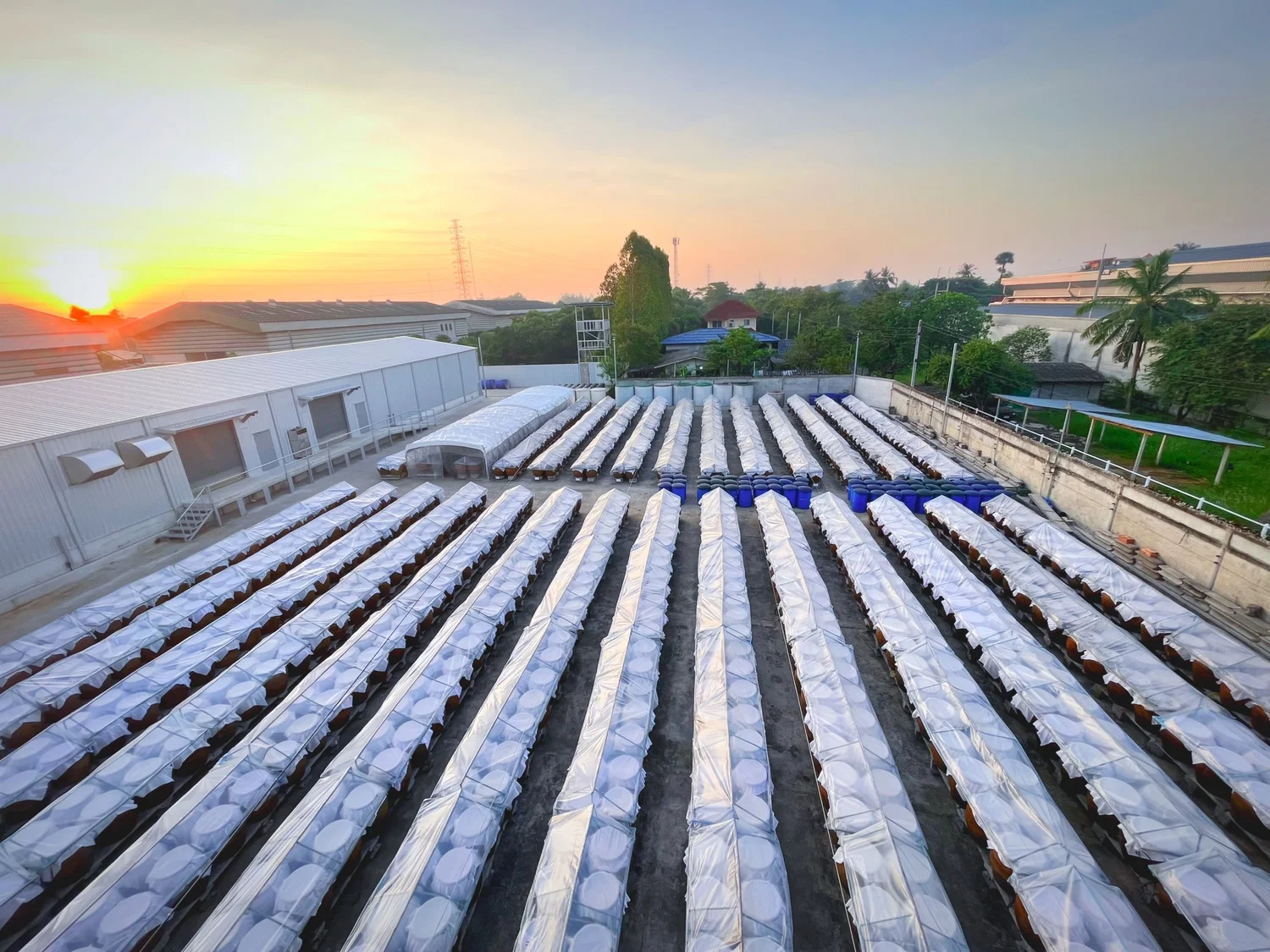
The jars stand outdoors. Sun by day and cooler nights move the temperature in a daily cycle, and the porous clay lets the mash breathe. This builds umami and aroma that steel tanks do not.
Pressing and filtering
The mash is pressed, and the liquid is filtered twice to give a clear soy sauce.
Pasteurising
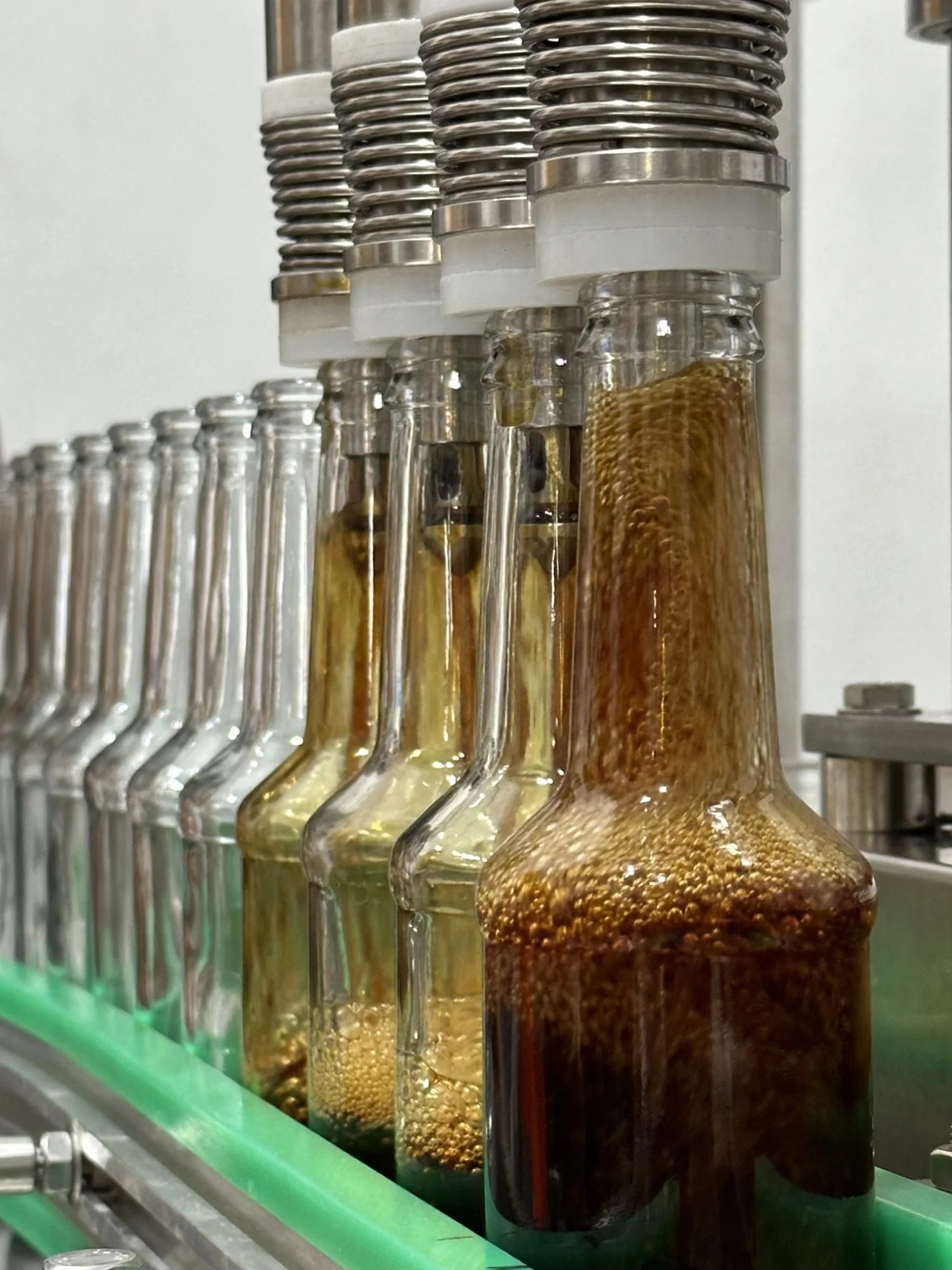
The soy sauce is heat-pasteurised for safety and stable flavour, then bottled.
Soy paste
The remaining solids become Tawantip Fermented Soy Paste, so nothing is wasted.
Every step runs under FSSC 22000, HACCP and GHP.
Bulk supply, OEM and export
Tell us what you need and in what volume. We send samples, certificates and test reports on request.
Contact us